Timing belt replacement cost in Australia: belt vs chain
Posted: June 23, 2026

Timing belt replacement cost is one of those numbers that surprises people. The belt itself is cheap. The bill isn’t, because a technician has to take a fair bit of the front of the engine apart to reach it. On European cars the picture gets more complicated, because many popular engines use a timing chain instead, and chains have their own costs and failure patterns.
Below: what Australian owners typically pay, which European engines have a belt or a chain, and how to spot a worn chain.
How much does a timing belt replacement cost in Australia?
A typical timing belt replacement cost in Australia is about $500 to $1,400. AutoGuru says the average starts around $500 and can pass $1,000 depending on the engine, and puts a routine change with a water pump at $800 to $1,400. Harder-to-reach engines cost more. Prices vary by model.
Airtasker’s cost guide gives a range of $520 to $1,400, with a median of about $960. AutoGuru’s Volkswagen Golf page advertises timing belt replacement from $832. Those “from” figures are starting points, so treat them as a floor, not a quote.
| Job | Typical Australian price | Source |
|---|---|---|
| Timing belt replacement (general) | About $500 to $1,000+ | AutoGuru |
| Routine belt change with water pump | $800 to $1,400 | AutoGuru |
| Timing belt replacement (all jobs) | $520 to $1,400, median about $960 | Airtasker |
| Volkswagen Golf timing belt | From $832 | AutoGuru |
| Timing chain replacement | About $900 to $1,500+ | AutoGuru |
Why is a timing belt so expensive to replace?
Labour makes up most of the timing belt replacement cost. On a transverse four-cylinder engine (one mounted sideways, as in a Golf or Audi A3), the belt sits at the end of the engine next to the inner guard. To get to it, the technician usually has to support the engine, remove an engine mount, take off the accessory belt and covers, lock the camshafts and crankshaft in position with special tools, and then set the timing exactly when the new belt goes on. One tooth out and the engine runs badly, or worse.
What should be replaced with the timing belt?
A proper timing belt kit includes the belt, the tensioner and the idler pulleys. On many belt-driven engines the timing belt also drives the water pump, and AutoGuru recommends replacing the pump at the same time. We agree. The pump is already exposed, and if it starts leaking six months later you pay almost the same labour again. A failed pump can also take the new belt with it.
Use genuine or quality OE-supplier kits. A cheap belt that fails early on an interference engine is the most expensive saving you’ll ever make. Our article on why genuine parts matter on European vehicles goes into this.
Timing belt vs timing chain on European engines
Both do the same job. They link the crankshaft to the camshafts so the valves open and close in step with the pistons. A belt is made of reinforced rubber and runs dry behind a cover. A chain is metal and runs inside the engine, lubricated by engine oil.
You don’t get to choose. The engine design decides. This is a rough guide to what’s fitted to common European engines, but always confirm the exact engine code for your car.
| Engine family | Found in | Belt or chain |
|---|---|---|
| VW Group EA211 petrol (1.0, 1.2, 1.4, 1.5 TSI) | Polo, Golf, T-Roc, Škoda Fabia and Octavia, Audi A1 and A3 | Belt |
| VW Group 2.0 TDI diesel | Golf, Passat, Tiguan, Škoda Octavia and Kodiaq, Audi A3 and Q3 | Belt |
| VW Group EA888 (1.8 and 2.0 TSI) | Golf GTI and R, Audi A4 and Q5, Škoda Octavia RS, Cupra Formentor VZ | Chain |
| BMW four and six-cylinder (N20, B48, B58, N47 diesel) | 1, 2, 3, 4 and 5 Series, X1, X3, X5 | Chain |
| Mercedes-Benz M271, M274 petrol | C-Class, E-Class, GLC | Chain |
| Alfa Romeo 1750 TBi | Giulietta | Belt |
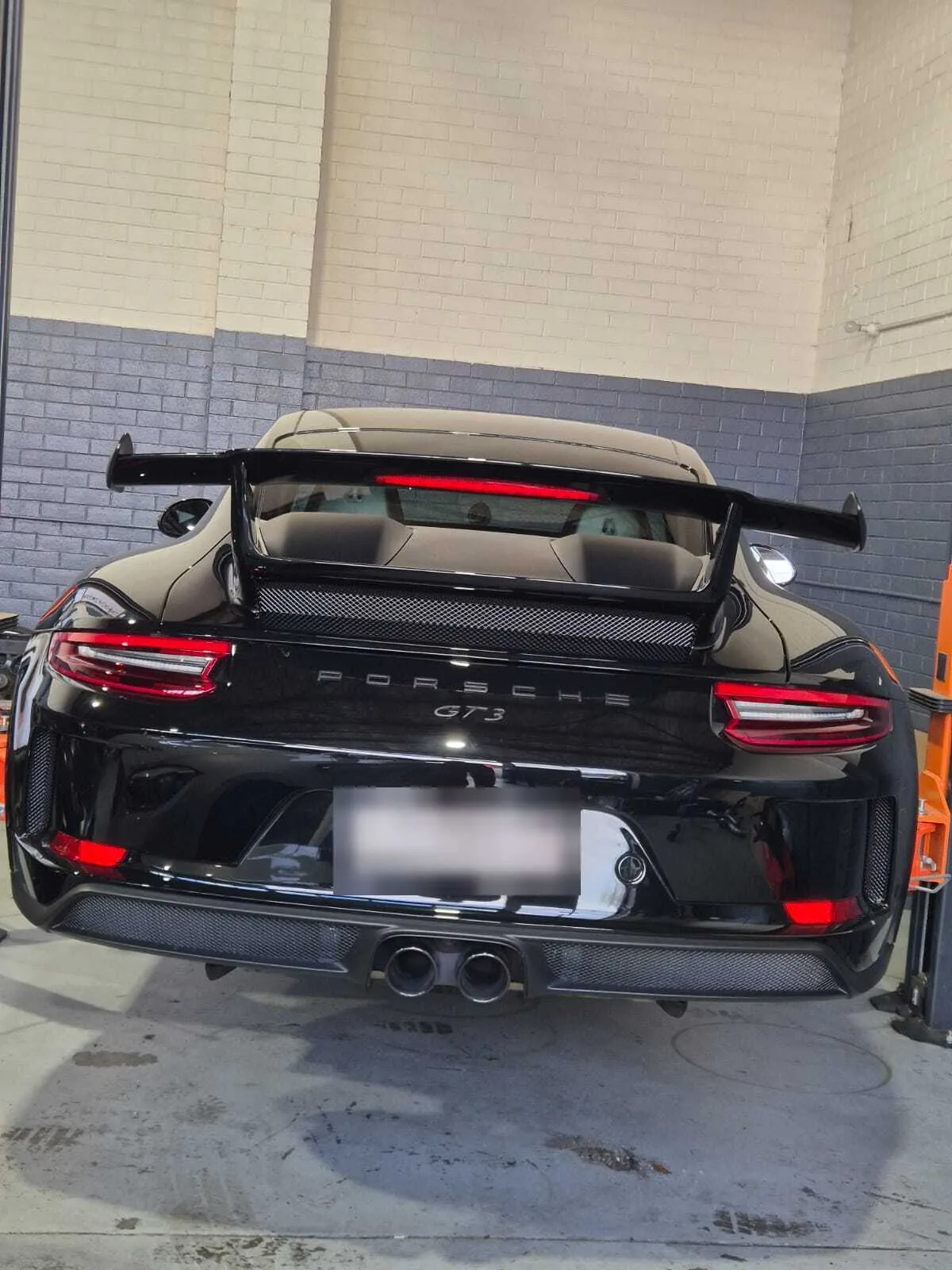
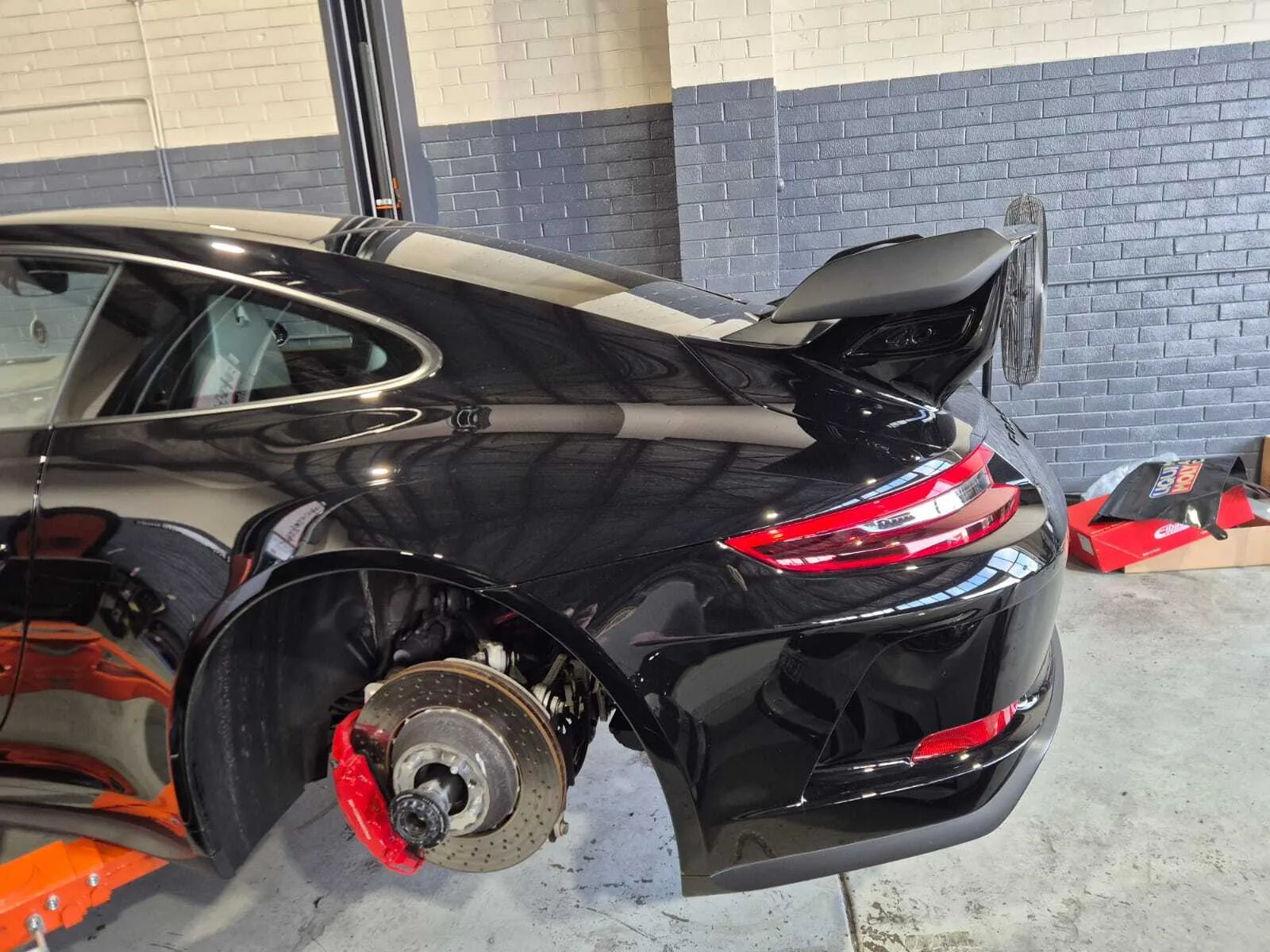
| Porsche flat-six | 911, Boxster, Cayman | Chain |
Many Volkswagen Group cars mix both within the same model range. A Mk7 Golf with the 1.4 TSI has a belt. A Mk7 Golf GTI has a chain. That’s why an online price for “Golf timing belt” can be meaningless for your particular car.

How often should a timing belt be replaced?
Follow the interval in your car’s service schedule, and pay attention to the time limit as well as the kilometres. Rubber ages even when the car sits in the garage. A low-kilometre car that’s ten years old can need a belt before one that’s done twice the distance in four years.
European intervals vary a lot, and some have changed over the years. Volkswagen has lengthened intervals on several engines, and some EA211 petrol engines now list a belt inspection rather than a fixed replacement. Alfa Romeo club members in Australia, on the other hand, report shorter intervals on some engines than the original European schedules. On second-hand cars, if the service history doesn’t show a belt change and the car is near or past the interval, assume it hasn’t been done. A pre-purchase inspection should flag this before you buy.
If there’s no receipt or logbook stamp for the belt, we’d change it. The cost of a belt kit is small next to the cost of a cylinder head.
What happens if a timing belt breaks?
The engine stops immediately. On an interference engine, where the valves and pistons share the same space at different times, the valves stay open while the pistons keep moving. They collide. Bent valves are the usual result, and pistons and the cylinder head can be damaged too. Most modern European engines are interference designs, so a snapped belt usually means a head rebuild at the very least.
Timing chain replacement cost and when chains fail
Chains are meant to last the life of the engine, and in a well-maintained engine many do. Still, chains stretch, and the plastic guides and the oil-fed tensioner that keep them taut can wear out first. AutoGuru puts average timing chain replacement at about $900 to $1,500 or more depending on the car. On some European engines the real figure is higher, because the chain sits at the back of the engine or the job involves a lot of dismantling. BMW’s N47 diesel, for example, has its chain at the gearbox end.
Some engines have a reputation for it:
- BMW N20 four-cylinder petrol engines, where the plastic chain guides can break up. Replacing only the tensioner usually doesn’t solve it.
- BMW N47 diesels, with guide and chain wear.
- Earlier VW Group EA888 engines, where the chain tensioner was updated several times.
- Mercedes-Benz M271 petrol engines, where camshaft adjuster wear and chain stretch are well documented. Mercedes changed the camshaft adjuster design for the 2012 model year.
Signs of a stretched timing chain
The classic sign is a rattle for a few seconds after a cold start, which then fades as oil pressure builds and the tensioner pumps up. Canberra winter mornings make it easier to hear. A rattle that stays after the engine warms up is more serious. Other signs include rough running and a check engine light with camshaft timing codes. If you’re seeing that light, our guide to the check engine light on European cars explains what to do next.
Chains usually give warning before they fail. Belts don’t. A chain job done early is a planned repair. A chain that jumps a tooth or snaps is an engine rebuild.
How to make a timing chain last
Oil. The tensioner runs on engine oil pressure, and the chain and guides depend on clean oil. Use the oil specification your manufacturer approves (BMW Longlife, VW 504 00 and so on, depending on the engine) and don’t stretch the change interval. Many owners do mostly short trips around Canberra, and on those cars we’d change oil earlier than the maximum the car’s service indicator allows. Regular logbook servicing with the right oil is the cheapest timing chain insurance there is.
Getting a fair quote
When you compare timing belt replacement cost quotes, give the workshop your registration or VIN, or at least the exact engine. Ask what the quote includes: belt only, or a full kit with tensioner, idlers and water pump. Ask whether the parts are genuine or OE-supplier. A much cheaper quote often turns out to be the belt alone.
We work on belt and chain engines across the European brands, including Volkswagen, Audi, BMW, Mercedes-Benz and Alfa Romeo. You can see AutoGuru’s current national pricing on its timing belt replacement page, and for a quote on your car, ring us with the engine details.
Frequently asked questions
How much does it cost to replace a timing belt in Australia?
AutoGuru puts the average timing belt replacement at around $500, rising past $1,000 depending on the engine, and $800 to $1,400 for a routine change that includes the water pump. Airtasker gives $520 to $1,400 with a median of about $960. European engines with tight engine bays often sit at the upper end of those ranges.
Is a timing chain better than a timing belt?
A chain usually lasts much longer and has no scheduled replacement, which saves money over the life of the car. Belts are quieter and cheaper to make, but need replacing at set intervals. Chains aren’t immune to wear, though. Guides and tensioners can fail, especially if oil changes are skipped, and a chain repair usually costs more than a belt change.
Should I replace the water pump with the timing belt?
On engines where the timing belt drives the water pump, yes. The pump is already exposed during the job, so the extra cost is mostly the part. If the old pump fails later, you pay nearly the same labour a second time, and a seized or leaking pump can damage the new belt. AutoGuru also recommends replacing them together.
How do I know if my car has a timing belt or chain?
Check the service schedule in your owner’s manual. If it lists a timing belt replacement interval, you have a belt. Otherwise look up your exact engine code, as many European model ranges use both. A Mk7 Golf 1.4 TSI has a belt while a Mk7 Golf GTI has a chain. A workshop can confirm it from your VIN in a minute.
What are the signs a timing belt needs replacing?
Often there are none, which is why the service interval matters so much. Occasionally you may hear a whine or ticking from the front of the engine, or see oil or coolant leaking near the belt covers. Cracks and fraying are only visible with covers off. If the car is near or past its interval in kilometres or years, replace it.
How long does a timing chain last?
Timing chains are designed to last the life of the engine and many do, provided the oil is changed on time with the correct specification. Some European engines, including certain BMW N20 and N47 units and earlier VW EA888 engines, have known guide or tensioner wear. A rattle on cold start is the usual early warning, so have it checked promptly.
If your car is due for a timing belt, or you’re hearing a cold-start rattle, Eurotech Canberra in Fyshwick can check it and quote the job. Call 02 5154 7000 or book online.