Supercar servicing outside the dealer: costs, needs and warranty
Posted: October 22, 2026
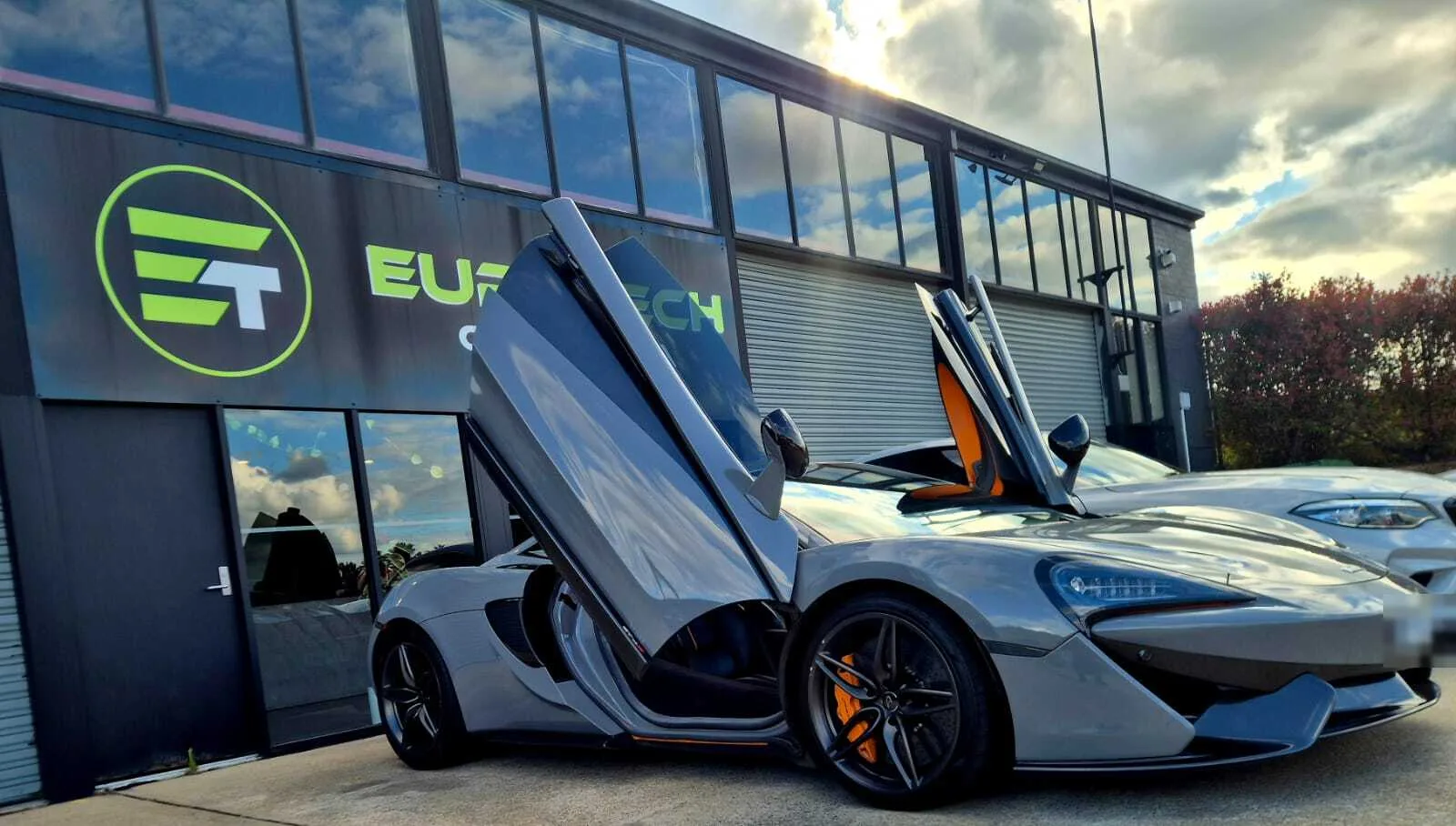
Supercar servicing is where a lot of owners stick with the dealer out of habit, even after the factory warranty has run out. The nearest McLaren or Lamborghini dealer to Canberra is a long drive or a truck ride away, and many owners don’t realise they have a choice. This guide covers what a McLaren, Lamborghini Huracán, Porsche 911 GT3 or Audi R8 actually needs at each service, what published Australian prices look like, and how warranty rules work when you use an independent workshop.
We’ll be upfront. An independent workshop is not a dealer, and some factory service plans and extended cover only work through the dealer network. Knowing which rules apply to your car is the point of this article.
Can you service a supercar outside the dealer?
Yes, supercar servicing doesn’t have to happen at the dealer. The ACCC’s view is that a manufacturer can’t make dealer servicing a condition of its standard warranty. A qualified independent workshop can service the car to the manufacturer’s schedule with appropriate quality parts and record it. Prepaid service plans and some extended warranties may require an authorised retailer.
The practical question is whether the workshop can do the job properly. Supercar servicing uses the same basic ingredients as any car (oil, filters, brake fluid, coolant, spark plugs), but access is tighter and the diagnostic side is more involved. The workshop needs current technical information and a scan tool that talks to every control module, not a generic code reader.
What makes supercar servicing different
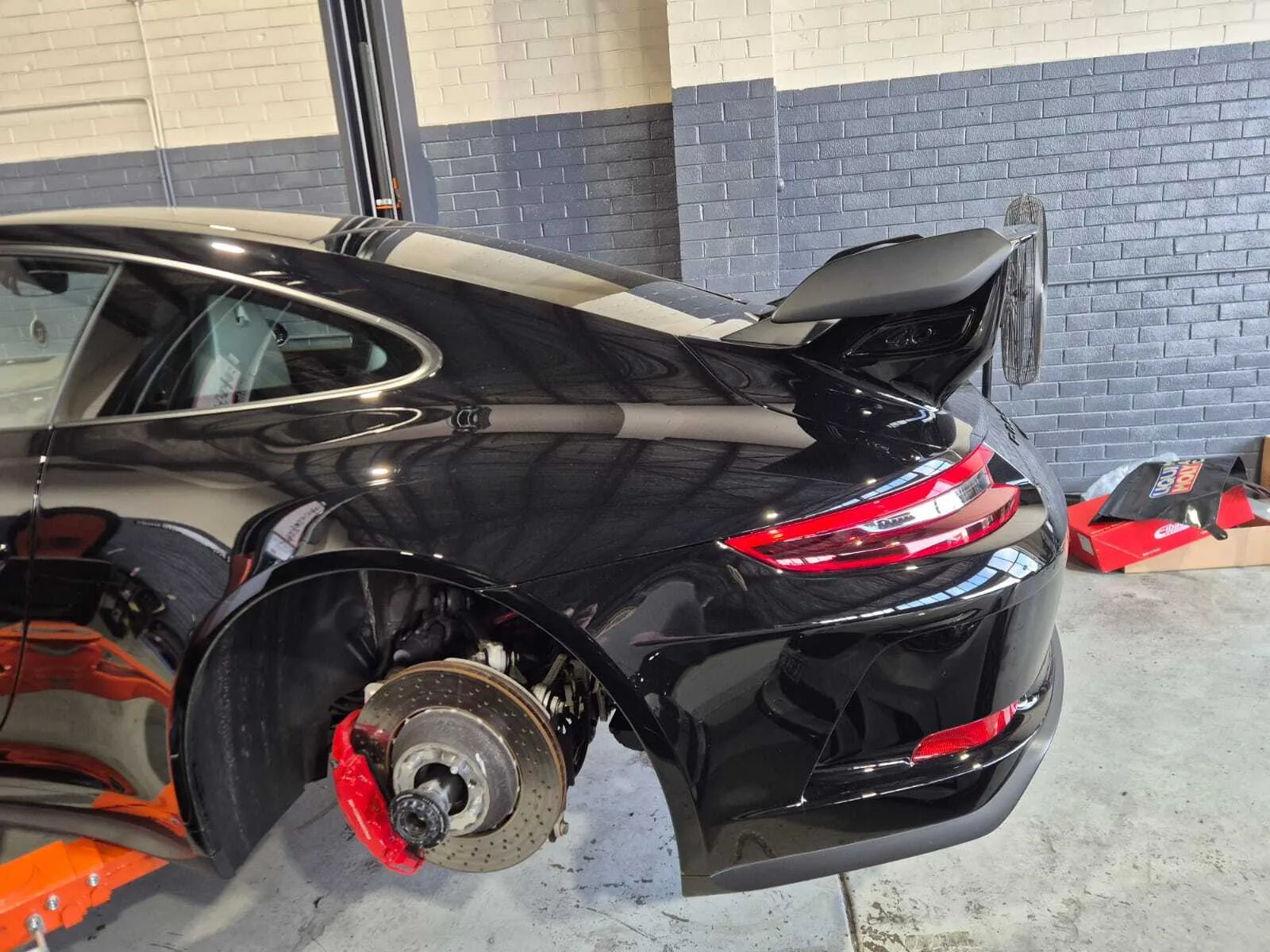
Most of the difference is in the details. A mid-engined car hides its engine under panels and trays, so simple jobs take longer. Dual-clutch gearboxes need the correct fluid and, after some repairs, a clutch adaptation done with a diagnostic tool. Some of these cars have carbon ceramic discs, which are inspected and handled differently from iron discs. Nose lift systems and active aerodynamics add electronic checks.
Our master technician, Vijesh Otto, spent 12 years working on ultra-exotic vehicles in Bahrain and Dubai before he came to Canberra. In those markets cars like these are daily drivers, and you learn quickly that the routine stuff matters most. Fluids done on time and a proper look underneath catch far more problems than anything clever.
McLaren 570S and the Sports Series
The 570S uses McLaren’s 3.8-litre twin-turbo V8 (engine code M838TE) with a seven-speed dual-clutch gearbox, all wrapped around a carbon fibre tub called the MonoCell II. McLaren Australia’s factory service plan terms set the service at every 12 months or 15,000 km, whichever comes first. We pay close attention to the side-mounted radiators and coolant hoses, and to stored faults in the many control modules.
Lamborghini Huracán and Audi R8 V10
These two are close relatives. The Huracán and the second-generation R8 share the 5.2-litre naturally aspirated V10 and a seven-speed dual-clutch gearbox (Audi calls it the DL800, Lamborghini calls its version the LDF). Carsales lists a 2024 Huracán at every 12 months or 15,000 km (earlier cars show 12,000 km). Audi Australia’s service sheet puts all its models, the R8 included, on an oil service every 15,000 km or 12 months and an inspection every 30,000 km or 24 months.
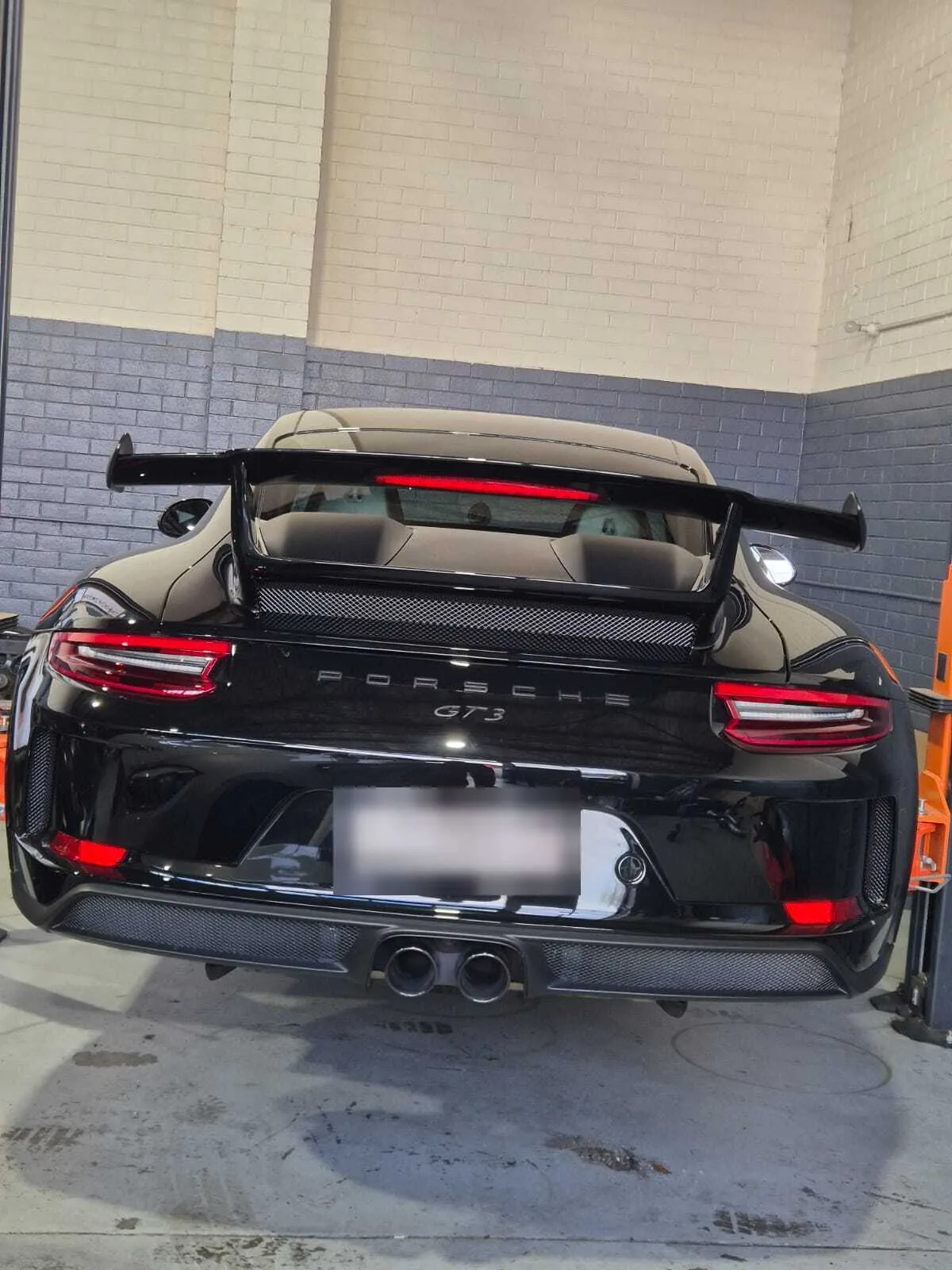
Porsche 911 GT3
The GT3’s high-revving flat six is a different animal from the turbocharged Carrera engines. Porsche Australia’s dealer price lists split GT3 servicing into an annual oil maintenance service and a larger inspection service. Track days change things. Circuit driving shortens the useful life of the oil and brake fluid, and brake wear needs checking far sooner if the car sees the track. For more on the stopping side, see our guide to Porsche brake pads, discs and brake fluid.
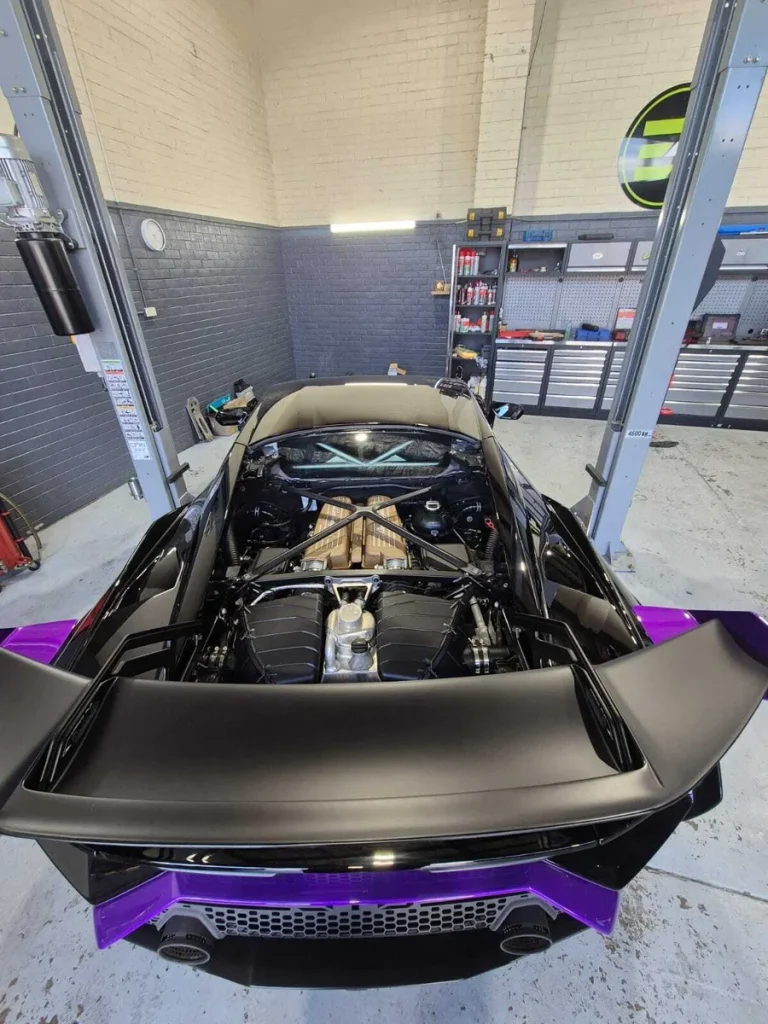
Supercar servicing intervals compared
The table below uses published Australian figures where we could find them. Intervals change between model years, so your car’s service booklet or the manufacturer’s system has the final word.
| Model | Routine service | Where the figure comes from |
|---|---|---|
| McLaren 570S and Sports Series | 12 months or 15,000 km | McLaren Australia factory service plan terms |
| Lamborghini Huracán (2024) | 12 months or 15,000 km | Carsales model listing (earlier years show 12,000 km) |
| Audi R8 V10 | Oil service 15,000 km or 12 months, inspection 30,000 km or 24 months | Audi Australia service interval sheet |
| Porsche 911 GT3 | Annual oil maintenance plus a larger inspection service | Porsche Australia dealer price lists |
| Brake fluid (all of the above) | Usually every 2 years, sooner with track use | Manufacturer schedules |
Low kilometres don’t get you out of the time limit. A car that does 3,000 km a year still has oil and brake fluid ageing in it. We’d rather see a car once a year with low kilometres than every two years because “it hardly gets driven”.
How much does supercar servicing cost in Australia?
Published Australian prices are thin on the ground, and the cost varies a lot by model and by what each service includes. Porsche is the exception. Porsche Centre Brighton’s published 911 price list shows GT3 models at $895 for the annual oil maintenance service and $2,050 for the inspection service, with other Porsche Centres listing slightly different figures. Those prices exclude any extra work found during the service.
For McLaren service cost and Lamborghini service cost, most figures you’ll find online come from the US, UK or Canada and are in other currencies, so they don’t translate well to Australia. McLaren sells a factory service plan in Australia that covers scheduled services for up to three years, which is part of why local pricing is rarely advertised. The bigger bills on these cars usually come from wear items and repairs rather than the routine service itself: tyres, brakes, clutch packs, suspension parts and electrical faults.
Ask for a written supercar servicing quote that lists the fluids, filters, labour time and inspection items, then compare like with like. A cheap quote that skips the brake fluid isn’t cheaper in the long run.
Supercar warranty rules under Australian Consumer Law
Three different things often get lumped together as “the warranty”, and they follow different rules.
The manufacturer’s warranty and consumer guarantees
The ACCC’s position is that you can generally use an independent repairer to service your car during the manufacturer’s warranty period. The warranty can set conditions, such as servicing by qualified staff, to the manufacturer’s specifications, with appropriate quality parts. It can’t require you to use an authorised dealer. An independent workshop can sign or stamp the logbook. Separately, the consumer guarantees under the Australian Consumer Law apply no matter where the car is serviced. You can read the ACCC’s comments in its new car industry media release.
There’s a fair limit to this. If a non-genuine part fails and damages the car, the manufacturer isn’t responsible for that damage, which is one reason we fit genuine or OE-quality parts. Our article on why genuine parts matter on European cars goes into more detail.
Factory service plans and extended warranties
This is where supercar owners need to read their paperwork. Extended warranties and prepaid service plans are separate contracts, and the ACCC has said it can be permissible for an extended warranty to require servicing by the business offering it. McLaren’s Australian extended service plan terms, for example, state that the plan’s services must be performed by McLaren-authorised retailers, and McLaren disclaims liability under that plan for servicing done by a third party. Lamborghini, Porsche and Audi extended programs have their own conditions too. Check yours before you book anywhere.
Warranty repairs
Supercar servicing and warranty repairs are not the same thing. If a covered part fails while the car is under the manufacturer’s warranty, the repair is normally done through the dealer network at the manufacturer’s cost. A good independent workshop will tell you when a fault looks like a warranty matter and send you to the dealer for it. We’d rather do that than have you pay for something the manufacturer should cover.
What to ask a workshop before you hand over the keys
- Which diagnostic equipment will be used on your make, and can it read every module, not just the engine?
- Which fluids and parts will be fitted, and do they meet the manufacturer’s specification?
- How will the car be lifted? Low noses and side skirts need the right pads and ramps.
- Will the service be recorded in the logbook or the manufacturer’s digital record?
Most new European cars no longer have a paper logbook, and we explain how independent workshops handle that in our post on digital service recording for European cars. You can also see the kind of high-performance work we do in our C63 S AMG service case study and on our Porsche servicing and Audi servicing pages. R8 and Huracán owners may also find our guide to dual-clutch gearbox servicing useful.
Frequently asked questions
Does servicing at an independent workshop void my car’s warranty?
Not the standard manufacturer’s warranty, according to the ACCC. The warranty can require qualified staff, the manufacturer’s specifications and appropriate quality parts, but it can’t insist on dealer servicing. Extended warranties and prepaid service plans are separate contracts and may require an authorised retailer, so check the terms of any extra cover on your car.
How often does a McLaren need servicing?
McLaren Australia’s factory service plan terms set the routine service at every 12 months or 15,000 km, whichever comes first. Low-kilometre cars hit the 12-month limit first. Some items, such as brake fluid, run on their own intervals, and track use means checking brakes, tyres and fluids more often than the schedule suggests.
How much does a Lamborghini service cost?
We couldn’t find published Australian Lamborghini service prices, and most figures online are from overseas in other currencies. The cost depends on the model, the year and whether it’s a minor or major service. The best approach is a written, itemised quote listing the fluids, filters and labour, then comparing it line by line with any other quote you get.
Is the Audi R8 cheaper to service than a Huracán?
It can be, but it depends on the model year and the work needed. The R8 V10 and the Huracán share their engine and dual-clutch gearbox, so much of the routine work is similar. Audi Australia lists an oil service every 15,000 km or 12 months and an inspection every 30,000 km or 24 months. Get itemised quotes and compare them line by line.
Can a normal mechanic work on a supercar?
Any qualified mechanic can legally service one, but not every workshop is set up for it. These cars need correct lifting points, make-specific diagnostic software, current technical data and the right fluids. Ask the workshop what equipment they use for your make and whether they work on similar cars regularly before you book.
Do I still need to service a supercar that’s barely driven?
Yes. Service schedules have a time limit as well as a distance limit, usually 12 months. Oil and brake fluid age even when the car sits, and batteries go flat on cars stored for long periods. An annual service keeps the history complete, which matters a great deal when you come to sell a car like this.
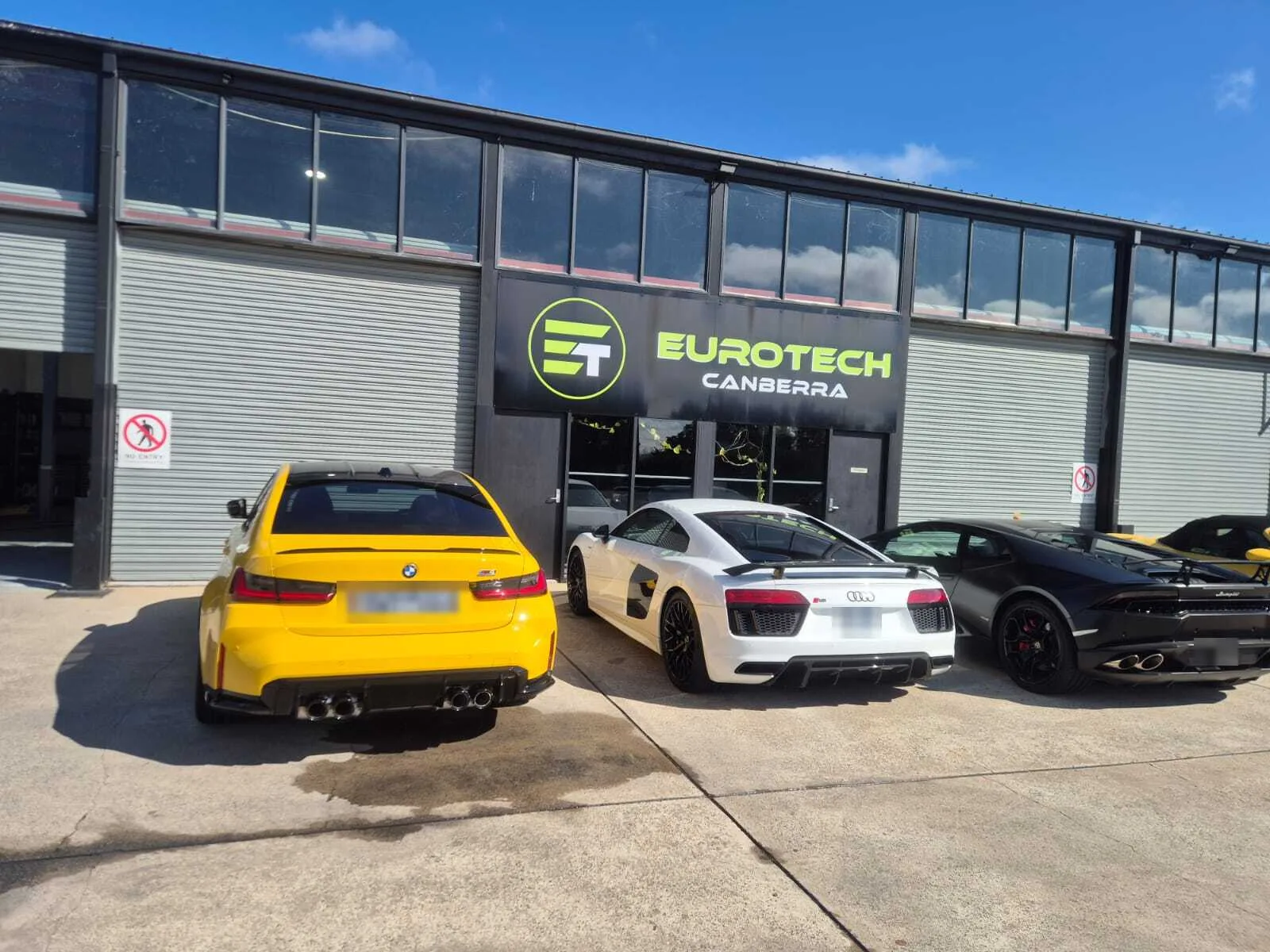
If you’d like a second option for servicing your McLaren, Lamborghini, Porsche GT or R8, Eurotech Canberra is at 103 Newcastle St, Fyshwick. Call us on 02 5154 7000 or book a service online, and we’ll talk you through what your car needs and what your warranty paperwork says.