Essential Car Maintenance Checklist Before Your Next Road Trip
Posted: May 20, 2025

A successful road trip starts with more than a packed bag and a mapped-out route. It begins with a reliable car. That’s why a car maintenance checklist is essential before setting out, for a quick weekend getaway or a cross-country drive. Taking time to prepare your vehicle helps prevent breakdowns and saves money on unexpected repairs.
This guide walks you through the key maintenance checks every driver should know, with added focus on European cars that often need specialised attention. Let’s make sure your next journey is safe, smooth, and unforgettable.
Before a road trip, check the engine oil, coolant and brake fluid, tyre tread and pressures including the spare, the battery, brakes, all lights, wipers and washer fluid, the air conditioning, belts and hoses, and any dashboard warning lights. Pack an emergency kit, and book a service first if one is due.
Why does car maintenance matter before a road trip?
A long journey puts extra stress on your vehicle, and skipping proper checks can quickly turn a fun adventure into a frustrating breakdown. A well-prepared car maintenance checklist ensures your car is safe, reliable, and comfortable for the road ahead. From fluids and tyres to brakes and battery health, every point on a general car maintenance checklist plays a role in keeping you on track. Regular checks also prevent costly repairs, improve fuel efficiency, and extend your vehicle’s life.
Benefits of Pre-Trip Maintenance:
- Reduces the risk of unexpected breakdowns
- Improves overall driving safety and control
- Helps you save money by avoiding emergency repairs
- Keeps your car running smoothly for longer
Professional vs. DIY Car Maintenance
Some drivers prefer using a basic car inspection checklist at home, while others trust professionals to handle every detail. Both approaches have their place. DIY checks are great for simple tasks like topping up washer fluid, inspecting tyres, or replacing wiper blades. But more advanced areas, such as diagnostics, brake testing, and a complete essential car service, are best left to trained mechanics, especially when it comes to European vehicles that often require specialised tools and fluids.
Choosing Between DIY & Professional Service:
- DIY: Cost-effective for small, easy-to-handle tasks
- Professional: Essential for advanced repairs, diagnostics, and warranty protection
- Saves time and reduces the chance of missing hidden issues
- Ideal for complex systems like car AC maintenance checklist or electronic sensors
Engine Oil and Other Fluids
Your engine works harder on long drives, and neglecting fluid levels can result in costly breakdowns far from help. Oil lubricates the engine components, while other fluids ensure cooling, braking, and smooth handling. Checking and topping up these fluids before your trip helps maintain peak efficiency and prevents sudden failures. Including this step in your car maintenance checklist is especially important for long-distance journeys. European cars, in particular, require manufacturer-approved fluids that align with service specifications to maintain performance and warranty coverage.
- Engine Oil: Check level and condition; change if dark or gritty.
- Coolant: Prevents overheating.
- Brake Fluid: Essential for responsive braking.
- Transmission Fluid: Critical for automatic vehicles.
- Power Steering Fluid: Keeps handling smooth.
- Windscreen Washer Fluid: Essential for visibility.
Tyres: Tread, Pressure, and Road Safety
Your tyres are the foundation of safe driving, especially on unfamiliar or long roads. Poor tread, incorrect pressure, or unnoticed damage can compromise grip and stability, particularly in wet or uneven conditions. Ensuring all four tyres, and the spare, are roadworthy reduces the risk of accidents and improves fuel efficiency. This should always be included in a basic car inspection checklist or a general car maintenance checklist. Performance tyres on European models often have specific ratings that must be followed.
- Tread Depth: At least 3mm for safety (the legal minimum is 1.5mm).
- Tyre Pressure: Inflate to manufacturer’s recommendation (include spare).
- Signs of Damage: Look for cracks, bulges, or uneven wear.
Battery Health: Testing Power and Reliability
A reliable battery is essential for modern vehicles, powering not just the ignition but also electronics, infotainment, and navigation systems. Batteries that are near the end of their life often fail without warning, leaving you stranded. Testing your battery’s voltage and ensuring clean terminals reduces that risk. Many European cars also need a new battery registered to the car, as our guide to European car battery replacement explains. Keep this step logged in your car maintenance log book to track battery replacements as part of your essential car service routine.
- Voltage Output: Ensure it’s within the recommended range.
- Corrosion on Terminals: Clean if present.
- Battery Age: Replace if older than 3 to 5 years.
Brakes: Ensuring Safe Stopping Power
Few things are more critical on a road trip than dependable brakes. From highway speeds to sudden stops in traffic, your brakes must be in peak condition. Worn pads or low fluid can increase stopping distances, which becomes especially dangerous when driving on unfamiliar or hilly terrain. A car service checklist should always include a brake system inspection.
- Brake Pad Thickness: Replace if thin.
- Rotor Condition: Check for wear or warping.
- Brake Fluid Level: Top up if low.
Lights and Indicators: Visibility for Every Journey
Visibility is everything on long trips, especially at night or in poor weather. Faulty lights not only put you at risk but can also result in fines. Testing every bulb ensures that other drivers can see you and understand your signals. Cleaning lenses also improves brightness, making your drive safer. Always include lights in your checklist for car maintenance before a long journey.
- Headlights: Check low and high beams.
- Brake Lights: Confirm both sides work.
- Indicators: Ensure proper function.
- Reverse & Fog Lights: Test for visibility.
Wipers and Windscreen: Clear Vision, Safe Driving
A clear windscreen is vital for safe driving. Even light rain, dust, or glare can reduce visibility if wipers are worn or if the glass is chipped. Small cracks can quickly spread when exposed to vibrations or temperature changes on the road. Replace wipers and repair chips before setting off.
- Wiper Blades: Replace if streaking or squeaky.
- Windscreen Condition: Repair cracks or chips.
Climate Control System: Comfort and Defogging Safety
Your car’s heating and cooling systems aren’t just about comfort. They ensure your windscreen stays clear in all weather. Weak airflow or bad odours often indicate clogged filters, while a faulty system can make long drives exhausting. Running through a car AC maintenance checklist before your trip, and a regas if the air isn’t cold, prevents problems in harsh conditions and ensures a comfortable drive for all passengers.
- Heating & Cooling: Confirm proper function.
- Cabin Air Filter: Replace if airflow is weak or smells stale.
Belts and Hoses: Small Parts with Big Responsibilities
Belts and hoses are often overlooked but are critical for keeping your engine and cooling system running. If a belt snaps or a hose leaks, it can cause immediate breakdowns and expensive damage. A quick inspection for cracks, looseness, or swelling will save you from being stranded on the roadside.
- Belts: Check for fraying, cracking, or slack.
- Hoses: Look for leaks, bulges, or softness.
Emergency Kit: Be Ready for the Unexpected
Even the best-prepared cars can face unexpected problems, which is why an emergency kit is a must-have. A well-stocked kit provides safety, comfort, and assistance while waiting for roadside help. Pack essentials not just for mechanical issues, but also for personal safety during long journeys.
- Spare Tyre & Jack: Ensure ready for use.
- Jumper Cables: For unexpected battery issues.
- Reflective Triangle/Flares: Improve roadside safety.
- First-Aid Kit: Essential for emergencies.
- Torch & Batteries: For night-time breakdowns.
- Portable Charger: Keep phones powered.
- Water & Basic Tools: For comfort and minor fixes.
Test Drive and Listen: Final Confidence Check
Finally, a short test drive is the best way to confirm your car is truly road-trip ready. Strange noises, vibrations, or dashboard warnings often appear only when the vehicle is in motion. Pay attention to braking, acceleration, and steering to detect hidden issues. Identifying problems early gives you time to fix them before hitting the open road.
- Listen for Unusual Noises: Clicking, squealing, or grinding.
- Watch for Warning Lights: Address immediately, starting with any check engine light.
- Check Handling/Braking: Ensure smooth performance.
Fuel System & Filters: Clean Power for Long Drives
A well-maintained fuel and filter system ensures your car delivers consistent performance during long trips. For European vehicles, especially turbocharged diesels, clogged filters can severely impact efficiency and reliability. As part of your basic car maintenance checklist, it’s important to inspect and replace filters on time.
- Fuel filter: Prevents contaminants from entering the engine and ensures smooth fuel delivery.
- Air filter: Protects the engine by filtering dust and debris, maintaining fuel economy.
- Cabin filter: Keeps the air inside fresh by trapping pollen, dust, and pollutants.
Eurotech’s edge: Specialised expertise in DPF systems and advanced fuel injection servicing, tailored for European cars.
Suspension & Steering: Comfort Meets Control
The suspension and steering system plays a key role in passenger comfort and safe handling, especially during extended road trips. European cars are equipped with advanced suspension setups that require precise inspection.
- Shock absorbers & struts: Check for leaks or wear that could reduce ride comfort.
- Bushings & joints: Inspect for cracks or looseness to prevent steering instability.
- Steering response: Ensure smooth, accurate control without unusual vibrations.
- Eurotech advantage: Expertise in European suspension tuning ensures your car maintains both comfort and performance.
Exhaust & Emissions Check: Road Trip Without the Smoke
A healthy exhaust system keeps your car eco-friendly and compliant with regulations. Issues like leaks, rust, or rattling parts can compromise both performance and safety. For European diesels, special attention is required for DPF and AdBlue systems. As part of your general car maintenance checklist, emissions checks are vital.
- Exhaust inspection: Identify leaks, rust, or unusual noises.
- DPF regeneration: Verify proper regeneration cycles for diesel particulate filters.
- AdBlue levels: Ensure correct fluid levels to avoid sudden power loss in Euro 6 diesels.
- Eco-conscious check: Reduced smoke and emissions for cleaner, worry-free driving.
Tech & Infotainment Systems: Navigation, Safety, and Comfort
Modern vehicles, particularly European brands, come packed with advanced tech that requires regular checks. Beyond entertainment, these systems directly affect navigation, safety, and driver comfort.
- Navigation & GPS: Test for accuracy and software updates.
- Bluetooth & connectivity: Ensure smooth pairing with devices for calls and media.
- Parking sensors & cameras: Confirm full functionality for safety in tight spaces.
- Driver-assist features: Check lane assist, adaptive cruise control, and alerts.
- Eurotech expertise: Advanced diagnostics and software updates for European cars.
The Role of a Car Maintenance Log Book
A car maintenance log book is more than just paperwork. It’s a record of your vehicle’s health. Keeping track of services, inspections, and repairs through a proper logbook service helps you stay on top of a basic car maintenance checklist and plan ahead for future servicing. It also boosts your car’s resale value, since buyers trust vehicles with documented service history. Logging every service and repair ensures nothing is overlooked.
Benefits of a Log Book:
- Tracks when essential services were last completed
- Helps identify recurring issues
- Improves vehicle resale value with a transparent record
- Ensures compliance with manufacturer-recommended servicing
Common Road Trip Problems Prevented by Maintenance
Breakdowns rarely happen by chance. They’re often the result of skipped checks. A checklist for car maintenance before a road trip can prevent many common issues that leave drivers stranded. For example, worn tyres lead to blowouts, low brake fluid compromises stopping power, and neglected belts can snap unexpectedly. By sticking to an essential car service plan, you can reduce the risk of problems that could ruin your trip.
Issues Prevented by Proper Maintenance:
- Overheating due to low coolant or faulty hoses
- Flat battery or starting issues
- Brake failure from worn pads or low fluid
- Poor visibility from old wipers or dim headlights
- Air conditioning breakdown during hot weather
Eurotech Canberra’s Car Service Expertise
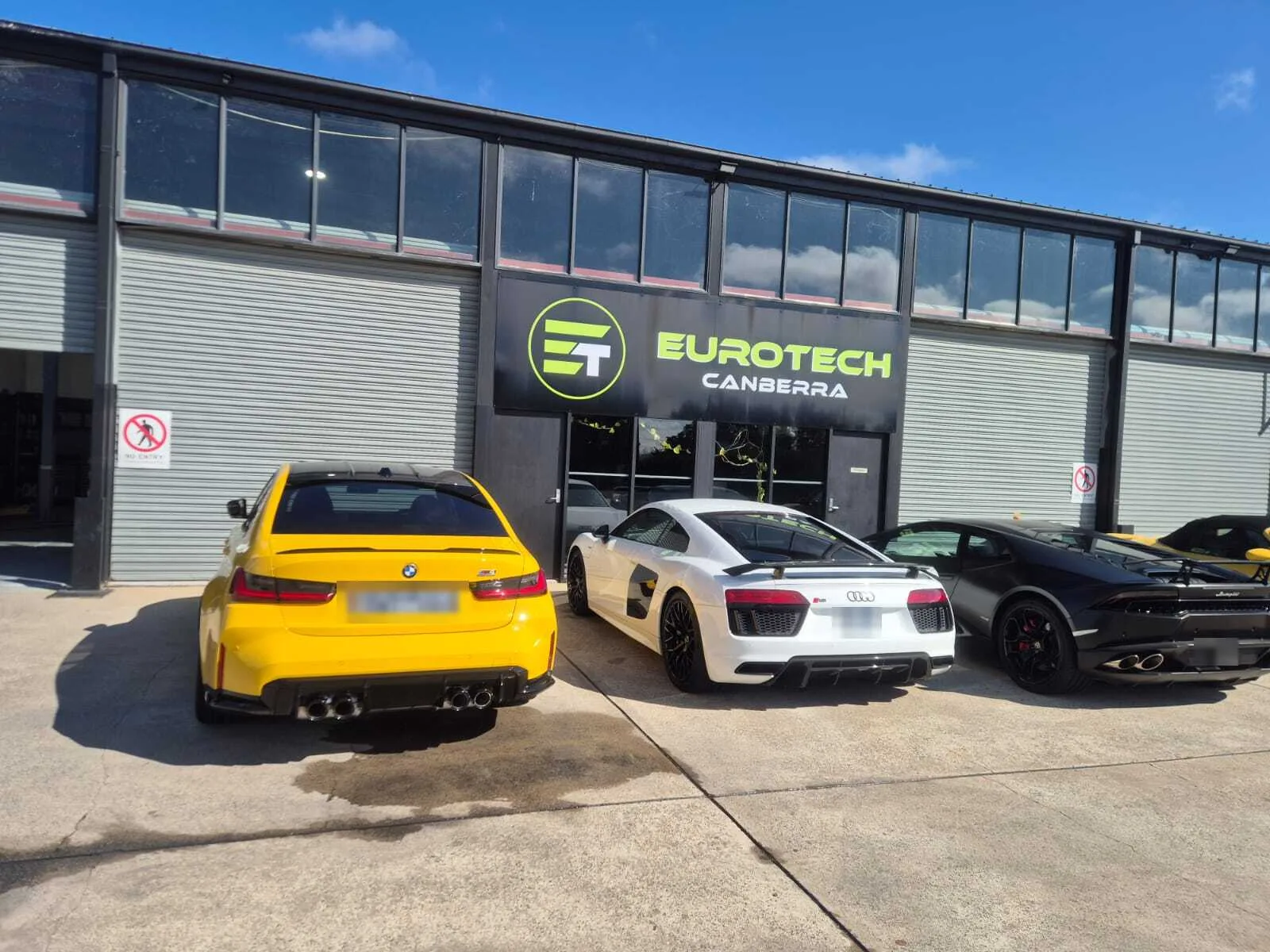
At Eurotech Canberra, we specialise in maintaining and repairing European vehicles, from routine logbook servicing to advanced diagnostics. Our expert team goes beyond a basic car inspection checklist, ensuring every detail is covered before your road trip. From air conditioning checks to brake diagnostics and fluid top-ups, our technicians use manufacturer-approved parts and fluids to guarantee performance and reliability.
Why Choose Eurotech Canberra:
- Expertise in European makes like Audi, BMW, Mercedes-Benz and Volkswagen
- Comprehensive car service checklist for all major systems
- Specialised equipment and diagnostics for precision servicing
- Reliable support for both routine checks and emergency repairs
Frequently asked questions
How often should I follow a car maintenance checklist?
Do quick checks of tyre pressures, oil, coolant, washer fluid and lights about once a month, and run through the full checklist before any long road trip. Beyond that, follow the logbook service schedule, which for most European cars is every 12 months or 15,000 km, or whatever the car’s service display shows.
Do I really need a car maintenance log book?
Yes. A logbook or digital service record shows when each service and repair was done, which helps you plan upcoming work and spot recurring problems. It is also your proof of maintenance for warranty claims, and buyers pay more for a car with a complete service history, especially a European car with expensive scheduled items.
What is included in a professional car service checklist?
A professional service usually includes an oil and filter change, fluid checks and top-ups, a brake inspection, tyre condition and pressure checks, a battery test, checks of the lights, wipers, belts, hoses, steering and suspension, and a diagnostic scan. Major services add items such as spark plugs, filters, brake fluid or a timing belt, depending on the schedule.
Can I perform all car maintenance tasks myself?
Some tasks are DIY-friendly, such as checking tyre pressures, topping up washer fluid, replacing wiper blades and checking oil and coolant levels. Brakes, air conditioning, electronics, coding and logbook services are better left to professionals, because European cars need specific fluids, tools and software, and mistakes on safety systems can be dangerous.
Why is a service before a road trip so important?
Long drives put sustained load on the engine, cooling system, tyres and brakes, often in heat, with a full car and far from help. A pre-trip service catches problems like a weak battery, worn brake pads, a leaking hose or low coolant before they cause a breakdown, overheating or a blowout on a country road.
Planning a long drive? Eurotech Canberra is an independent European car specialist at 103 Newcastle St, Fyshwick, open Monday to Friday, 8am to 5pm. Call 02 5154 7000 or book a service online.