European Car Brake Service: Warning Signs You Should Never Ignore
Posted: May 10, 2025
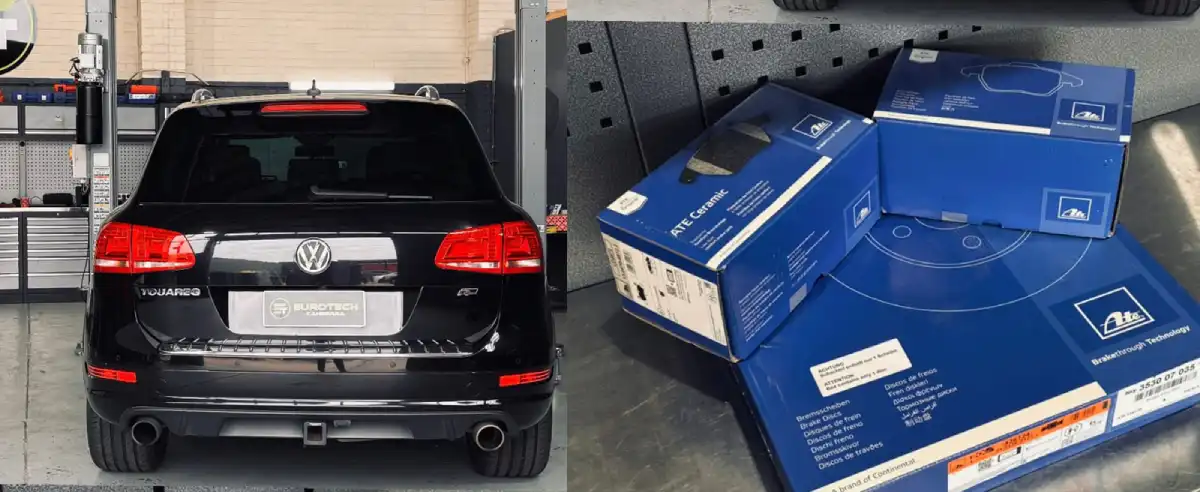
Brakes are your car’s most critical safety component. On the highway or in stop-start traffic, your braking system must respond instantly and reliably. For European vehicles, where performance and precision engineering go hand-in-hand, timely car brake service is even more essential. Ignoring brake issues not only puts your safety at risk but can also lead to costly damage over time. This blog covers the key warning signs that indicate your brakes need immediate attention, especially for drivers seeking professional European car brake service. Understanding these symptoms can help you stay safe and extend the life of your braking system.
The main warning signs that your brakes need servicing are squealing or grinding when you brake, a vibrating or spongy pedal, a burning smell, the car pulling to one side, a brake or ABS warning light and longer stopping distances. Any of these means the brakes should be inspected as soon as possible.
Why Brake Maintenance Matters
Your braking system includes several components working together: pads, rotors, calipers, brake fluid, and more. Over time, wear and tear naturally occur due to friction and heat. If any part fails or underperforms, your entire system is compromised.
Neglecting brake maintenance can result in:
- Reduced stopping power
- Longer braking distances
- Uneven tyre wear
- Damage to rotors and suspension
- Complete brake failure in extreme cases
For European cars, which are built with tight tolerances and advanced systems, servicing brakes is not a one-size-fits-all job. It requires knowledge of brand-specific technologies, from adaptive braking systems to electronic parking brakes.
What are the warning signs your brakes need servicing?
Here are the most common and critical symptoms to watch out for:
1. Squealing or Grinding Noises
If you hear a high-pitched squeal when braking, your brake pads may be worn down and need replacement. Grinding noises, on the other hand, usually indicate that the brake pads are completely worn out, and the metal backing is rubbing against the rotor.
Why it matters: Ignoring these sounds can lead to rotor damage, significantly increasing repair costs.
2. Vibrations or Pulsing Brake Pedal
A vibrating or pulsating brake pedal, especially when braking at high speeds can be a sign of warped rotors. It could also mean that your braking system is unevenly applying pressure, possibly due to seized calipers or uneven pad wear.
Tip: Warped rotors are common in high-performance European vehicles subjected to hard braking.
3. Soft or Spongy Brake Pedal
If your brake pedal feels soft, sinks to the floor, or requires extra pressure to engage, there may be air or moisture in the brake lines. This could also indicate a leak in the brake fluid system.
Why it’s dangerous: A compromised hydraulic system can cause complete brake failure if not addressed quickly.
4. Burning Smell During Braking
A sharp, chemical odour coming from your wheels while braking may indicate overheated brakes or clutch. This often happens during steep downhill drives or after repeated hard stops.
Immediate action: Pull over safely and let the brakes cool down. If the smell persists, have your vehicle inspected as soon as possible.
5. Car Pulls to One Side While Braking
If your car pulls left or right when braking, it may point to uneven pad wear, a stuck caliper, or contaminated brake fluid.
Why it’s serious: It can affect your ability to maintain control during emergency stops and lead to uneven tyre wear.
6. Brake Warning Light on Dashboard
Modern European cars have highly sensitive onboard diagnostics. If your brake warning light or ABS light is illuminated, don’t ignore it. It may be alerting you to low brake fluid, worn pads, or issues with the ABS system.
Tip: European models often have brake pad wear sensors that trigger dashboard alerts even before major issues arise.
7. Increased Braking Distance
If your vehicle takes longer than usual to come to a stop, even with normal pedal pressure, your brake pads could be worn or your fluid may be degraded.
This is often a gradual change, so staying alert to your car’s performance is essential, especially in emergency braking situations.
The Importance of Specialised European Car Brake Service
European vehicles are designed with advanced braking technologies and require precise calibration. Brands like BMW, Audi, Mercedes-Benz, and Volkswagen often use components such as:
- Ventilated and cross-drilled rotors
- High-performance ceramic brake pads
- Regenerative braking systems in hybrids and EVs
- Electronic parking and hill-hold systems
These systems must be serviced using manufacturer-approved parts, fluids, and tools. A general mechanic may not have the knowledge or equipment to handle these intricacies, which is why it’s essential to opt for a European car brake service from a specialised workshop. Porsche owners can read our guide to Porsche brake pads and discs, including carbon ceramic (PCCB) brakes.
What to Expect from a Professional Brake Service
A quality car brake service should include:
- Thorough inspection of pads, rotors, and calipers
- Brake fluid level and condition check
- Replacement of worn components with OEM or equivalent parts
- Rotor machining or replacement if needed
- Test drive to verify smooth operation
- Diagnostic scan for brake-related warning lights
For European vehicles, professional servicing ensures optimal performance without risking damage to sensitive systems or compromising your warranty. At Eurotech Canberra, we provide expert European brake service tailored to your vehicle’s unique engineering, using specialised tools and genuine parts to maintain peak safety and manufacturer standards.
When to Schedule Brake Service
As a general rule:
- Brake pads should be checked every 15,000 to 20,000 km
- Brake fluid should be replaced every 2 years or 40,000 km
- Rotors may last 50,000 to 70,000 km depending on driving habits
However, if you notice any of the warning signs listed above, it’s best to have your brakes inspected immediately, especially before long road trips or seasonal weather changes.
Final Thoughts
Brakes are not an area where you can afford to cut corners, especially with the complexity of modern European cars. Timely car brake service not only ensures your safety but also protects the performance and value of your vehicle. From unusual noises and dashboard lights to reduced braking power, the signs of trouble are clear. What matters most is responding to them early with expert care. For drivers seeking high-quality European car brake service in Canberra, Eurotech offers trusted diagnostics, precision workmanship, and genuine parts tailored to your vehicle.
Frequently asked questions
How often should brakes be serviced on a European car?
Have the brakes inspected at every scheduled service, or about every 15,000 to 20,000 km. Most European manufacturers specify a brake fluid change every two years regardless of distance. Pad and disc life varies with the car and driving style, and many European models have wear sensors that warn you on the dash when the pads are getting low.
How long do brake pads last on a European car?
Brake pads on a typical European car last somewhere between 30,000 and 70,000 km, but heavy cars, performance models and city driving wear them faster. European pads are often designed to wear together with the discs, so both are frequently replaced at the same time. A wear sensor warning or a squeal when braking means it is time to check them.
Why do European cars often need new discs with new pads?
Many European cars use pad compounds and disc designs chosen for strong braking performance, which means the discs wear faster than on many other cars. Once a disc is below the minimum thickness stamped on it, it must be replaced. Fitting new pads to worn or uneven discs also reduces braking performance and can cause vibration.
Is it safe to drive with the brake warning light on?
It depends on the light. First check the handbrake is fully released. A red brake warning can mean low brake fluid or a hydraulic fault, so stop driving and have it checked. An amber ABS or pad wear light means the brakes still work but a system needs attention soon. If the pedal feels soft or the car pulls, don’t drive it.
Why is my brake pedal soft or spongy?
A soft or spongy pedal usually means air or moisture in the brake fluid, a fluid leak, or a failing master cylinder. Brake fluid absorbs water over time, which lowers its boiling point and can make the pedal fade when the brakes get hot. This is a safety issue, so have the brakes inspected before driving any further.
Book your brake inspection with Eurotech Canberra. Eurotech Canberra is an independent European car specialist at 103 Newcastle St, Fyshwick, open Monday to Friday, 8am to 5pm. Call 02 5154 7000 or book a service online.