The Benefits of Using Genuine Parts in European Car Repairs
Posted: November 20, 2025
European vehicles are renowned for their precise engineering, smooth handling, and advanced technology. From the seamless performance of a German engine to the intuitive electronic systems in an Italian design, every component is engineered with exact detail. Maintaining this performance level depends largely on the quality of parts used during repairs and servicing.
Using genuine car spare parts is not just about maintaining originality — it’s about preserving the core integrity of your vehicle. Genuine components are designed to fit perfectly, function flawlessly, and sustain the performance standards your European car was built for.
Why Genuine Parts Matter for European Cars
European vehicles — such as Audi, Volkswagen, Mercedes-Benz, BMW, and Volvo — are built with precision down to the millimeter. Their mechanical and electronic systems are deeply integrated, meaning even minor deviations in part dimensions or material quality can affect performance.
When you choose genuine car parts, you’re choosing components that are manufactured to the same standards as your vehicle’s original build. They ensure:
- Exact compatibility with complex electronic control systems
- Optimum mechanical fit and stability
- Reliable sensor communication
- Longer lifespan and consistent performance
In contrast, generic or counterfeit alternatives often lack the precision required for these high-performance machines, leading to diagnostic errors, premature wear, or compromised safety.
The Difference Between Genuine, OEM, and Aftermarket Parts
Understanding the distinction between part types helps vehicle owners make informed decisions:
- Genuine Parts: Manufactured by or for the original automaker, these parts carry the manufacturer’s branding and meet stringent quality and safety standards. They are identical to the components fitted during the vehicle’s initial production.
- OEM (Original Equipment Manufacturer) Parts: These are made by the same manufacturer who supplies the automaker but may not bear the car brand’s logo. They typically match the genuine part’s quality, though warranty coverage may differ.
- Aftermarket Parts: Produced by third-party manufacturers, these parts often focus on affordability. While some aftermarket options can perform adequately, many do not meet the tolerance, material, or calibration standards required for European vehicles.
Professionals servicing European cars recommend using genuine Audi VW parts or OEM components that maintain factory precision and ensure reliability across mechanical and electronic systems.
Protecting Your Car’s Warranty and Resale Value
Modern European cars come with warranties that cover specific components under defined maintenance conditions. Using non-genuine or uncertified parts can jeopardize this coverage. Manufacturers often stipulate that only genuine car spare parts or approved OEM components should be used for repairs to keep the warranty intact.
Regular service and repair of European cars using genuine parts not only maintains mechanical integrity but also ensures compliance with manufacturer standards — an essential factor for long-term reliability and warranty protection.
Moreover, vehicles with a documented history of maintenance using genuine car parts tend to command higher resale value. Potential buyers and appraisers view service records that list authentic components as proof of responsible ownership and consistent care. This can significantly enhance the perceived reliability and longevity of the car during resale or trade-in.
In short, choosing genuine parts is not merely a technical decision — it’s a financial safeguard that protects both your warranty and your investment.
Precision Fit and Reliable Performance
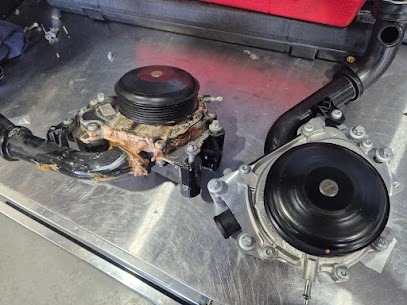
European vehicles are engineered to operate as cohesive systems, where every component — from the suspension to the ECU — interacts seamlessly. Genuine parts uphold this harmony by matching factory specifications with exacting accuracy.
When a replacement part fits perfectly, it prevents unnecessary friction, misalignment, or system errors. This precision contributes to:
- Smooth handling and responsiveness
- Better fuel efficiency
- Reduced component stress
- Enhanced safety under demanding conditions
On the other hand, non-genuine parts can disrupt this balance, potentially causing long-term mechanical wear or intermittent electronic malfunctions.
Enhanced Safety Standards You Can Trust
Every genuine car spare part is engineered and tested to meet strict European safety regulations. Components such as brakes, airbags, steering assemblies, and suspension systems undergo extensive performance, impact, and endurance testing to ensure predictable and consistent behaviour in real-world conditions.
Genuine parts maintain the original structural integrity and material quality of your vehicle’s factory build. This means that during emergencies — such as sudden braking or collision impact — every system responds exactly as designed. In contrast, non-genuine alternatives may lack uniform material density or precision fitting, resulting in delayed response times or unpredictable safety outcomes.
By using genuine car parts, drivers can trust that every element of their vehicle — from its braking precision to its airbag deployment system — functions according to the highest safety benchmarks established by European manufacturers.
The Role of Genuine Parts in Diagnostic Accuracy
European cars rely on intricate ECU (Electronic Control Unit) systems that constantly communicate with sensors, modules, and actuators. Each genuine part is programmed to match specific voltage ranges, signal responses, and timing sequences.
When non-genuine parts are used, these signal parameters often fail to align perfectly with the car’s system, resulting in:
- False dashboard warnings or sensor misreads
- Incomplete recalibrations during service
- Reduced engine efficiency and inconsistent performance
By contrast, genuine Audi VW parts and other authentic components integrate seamlessly with your vehicle’s electronic systems. They ensure accurate data exchange, smoother recalibration, and precise fault diagnosis. This compatibility not only improves repair accuracy but also helps maintain the long-term health of the ECU and related components.
Long-Term Cost Efficiency
Choosing genuine components is a decision that pays off in the long run. While aftermarket parts may appear more affordable initially, they often lead to secondary problems such as poor fit, reduced durability, or unexpected electronic malfunctions. These issues can cause repeated workshop visits and additional repair expenses.
Genuine car parts are built from high-quality materials, undergo controlled manufacturing processes, and are designed to withstand your vehicle’s specific mechanical stress levels. As a result, they offer:
- Extended part lifespan
- Reduced risk of early failure
- Consistent vehicle performance
- Fewer unplanned maintenance costs
When the true cost of ownership is considered, genuine parts provide greater financial value and reliability compared to lower-cost substitutes. They help preserve both performance and peace of mind for discerning European car owners.
Genuine Parts and Environmental Responsibility
Sustainability has become a defining factor in modern automotive manufacturing. Many European brands have adopted eco-friendly production methods that extend to their genuine car spare parts supply chains. These authentic parts are often made from recyclable or reusable materials and are manufactured in facilities that comply with international environmental standards.
Choosing genuine car parts supports:
- Lower carbon emissions through efficient production
- Reduced waste via part recycling programs
- Sustainable sourcing of metals and polymers
- Extended component life cycles to minimize disposal
In contrast, counterfeit and non-certified components rarely meet these environmental standards, often contributing to excess waste and pollution. By opting for genuine parts, vehicle owners indirectly promote greener automotive practices and long-term environmental responsibility.
Specialised Expertise for European Car Systems
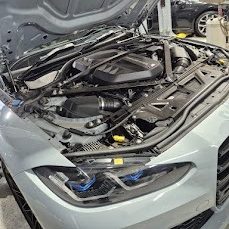
European vehicles are built with a fine balance of mechanical performance and digital intelligence. Maintaining that precision requires both engineering knowledge and diagnostic sophistication. Specialists trained in European car systems use manufacturer-approved equipment, updated calibration tools, and authentic replacement parts to ensure every repair aligns with the car’s original engineering intent.
Whether it involves engine tuning, transmission repair, air conditioning calibration, or ECU diagnostics, using genuine car spare parts preserves your vehicle’s designed harmony between performance, comfort, and efficiency. This approach ensures the car continues to perform as it did when it first left the factory — refined, balanced, and dependable.
Common Issues from Using Non-Genuine Parts
Vehicle owners who rely on imitation or generic components often experience recurring mechanical and electronic issues. The most common include:
- ECU communication errors due to mismatched sensor signals
- Poor fuel economy caused by incorrect air–fuel ratio calibration
- Excessive vibration or noise from improper fitting or alignment
- Premature wear and tear on connected systems
- Compromised safety responses during sudden braking or impact
These problems typically arise because counterfeit parts fail to meet precise European manufacturing tolerances. Even a slight deviation in shape, density, or software integration can lead to long-term system imbalance. Preventing these complications begins with one essential practice — choosing genuine car spare parts designed and approved for your specific make and model.
How Eurotech Canberra Ensures Authenticity of Parts
Every genuine car spare part used in a repair is verified through the manufacturer’s official supply chain to guarantee authenticity and reliability. Components are sourced exclusively from OEM-approved distributors, ensuring that each installation meets factory-level specifications for European vehicles.
Each part undergoes a verification process — including batch number validation, supplier certification, and compliance checks — before being fitted into your car. This approach eliminates the risks associated with counterfeit or low-quality parts that can compromise vehicle performance and safety.
By partnering with trusted networks for genuine Audi VW parts and other leading European brands, Eurotech Canberra ensures that every repair maintains your vehicle’s engineering precision and manufacturer warranty. Customers receive full transparency regarding part origin, certification, and lifespan, giving them complete peace of mind.
When to Replace Parts — and Why Timing Matters
Timely replacement of key vehicle components plays a crucial role in sustaining your car’s reliability and efficiency. In European vehicles, where precision-engineered systems operate in perfect synchronization, even a minor delay in part replacement can create strain on interconnected systems — particularly those involving adaptive electronics, braking, or fuel injection technologies.
Preventative inspections play a key role in identifying when genuine car parts need replacement. Using genuine car spare parts ensures proper compatibility with the vehicle’s mechanical and electronic systems, minimizing wear and preventing costly breakdowns.
Delaying replacements or using aftermarket parts may result in poor fitment, inconsistent calibration, and premature wear — ultimately leading to higher long-term repair costs. With our proactive approach, every replacement is done at the right time, for the right reason.
Genuine Parts — A Smart Investment in Your Car’s Future
Opting for genuine car spare parts is not merely about replacing what’s broken — it’s about preserving the performance DNA of your European vehicle. Authentic components are designed to align with exact manufacturer specifications, ensuring precision, safety, and longevity.
By combining expert workmanship with the reliability of genuine Audi VW parts and other authentic components, Eurotech Canberra guarantees that every vehicle retains its original performance quality and operational integrity.
Book your next European car service in Canberra today and experience the confidence that comes with precision engineering, genuine Audi VW parts, and expert craftsmanship tailored for luxury and performance vehicles.